
Drywood termites
Drywood termites can live within wood without a soil connection. If you suspect activity in framing, trim, furniture, or other wood, describe the location rather than assuming the species.
Termite Control · Sanibel Island
Seeing possible termite activity or planning ahead for a property? Bug The Bugs discusses termite inspections and treatment options for homes and other properties on Sanibel Island and in surrounding Southwest Florida communities.
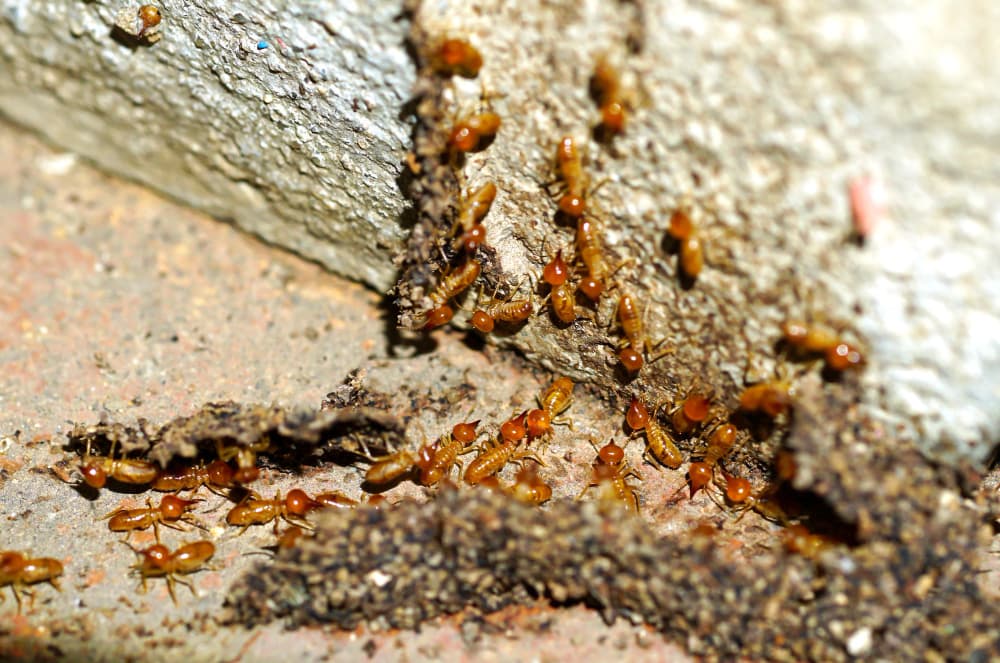
A Practical Starting Point
Is the concern active? What kind of termites may be involved? Where is activity occurring? Bug The Bugs lists termite inspections, drywood and subterranean termite treatments, and baiting systems. An evaluation helps make sense of those choices for a specific property.
Sanibel Island is the local starting point. If your property is elsewhere in Southwest Florida, share its address when you contact the team to confirm coverage.
Know the Concern
Both are named on the current Bug The Bugs termite page. The distinction matters because treatment needs can differ; a professional evaluation is the way to identify the concern.
Drywood termites can live within wood without a soil connection. If you suspect activity in framing, trim, furniture, or other wood, describe the location rather than assuming the species.
Subterranean termites generally nest in soil and forage toward wood. Baiting systems may be part of a discussion for this type, but the appropriate approach depends on the property.
Inspection & Evaluation
Possible termite signs deserve a closer look, especially when you cannot tell what caused them. Explain where and when you noticed the activity, whether the property has had previous termite service, and what you want to protect or resolve.
Bug The Bugs lists termite inspections among its services. After evaluating the concern, the team can discuss suitable next steps without treating every property as the same case.
Get a Free EstimateWhy Act Early?
Termite activity can be difficult to interpret from a quick look. An early conversation can clarify whether an inspection is needed and what to do next. It is more useful than guessing at the termite type or selecting a treatment before the property is evaluated.
For a new build, an existing home, or a managed property, Bug The Bugs can discuss preventive and active termite concerns.
Why Bug The Bugs?
Bug The Bugs is based on Sanibel Island and discusses termite concerns for local property owners and customers in surrounding Southwest Florida communities. Tell the team where the property is and what you have noticed so they can confirm coverage and the appropriate next step.
The property and termite concern determine what options are worth discussing.
Small enough to care.
Big enough to do the job.
Termite FAQs
A specific answer starts with the property and the activity you are seeing.
Contact Bug The BugsIf you notice insects you suspect are termites, discarded wings, changes in wood, or other unexplained activity, describe what you found and request an evaluation. A sign alone is not enough to identify the termite type or treatment.
Drywood termites can live in wood without a soil connection, while subterranean termites generally nest in soil and forage toward wood. They can require different treatment approaches, so identification matters before choosing a service.
Yes. Termite inspections are listed on the current service page. Contact Bug The Bugs to discuss the property and arrange the next step.
The team can review the property, the concern, and the type of termite activity before discussing options. Bug The Bugs lists drywood and subterranean treatments and baiting systems; the suitable approach depends on the situation.
Sentricon is a separate baiting-system service discussed by Bug The Bugs. It is not a substitute for identifying the concern first; ask whether it fits your property after an inspection.
Yes. The current termite service speaks to both preventive concerns and active problems. Share your property details to discuss inspection and available options.
Call (239) 472-2270 or use the contact page. Include the property address and any signs you have noticed so the team can discuss an inspection and free estimate.
Contact Bug The Bugs
Describe what you are seeing and where the property is located. Ask Bug The Bugs about an inspection, treatment options, and a free estimate.